







Search Results for: liquid fasting
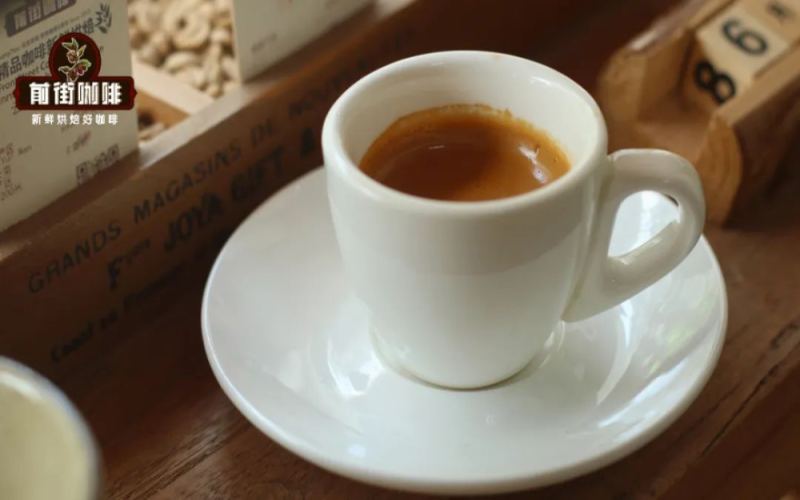
Espresso Extraction Flow Rate Anomalies: Analysis of Causes and Adjustment Methods for Fast-Then-Slow Flow
When extracting espresso, the normal flow rate should start slow and gradually speed up, but sometimes the exact opposite occurs—after pressing the extraction button, the coffee liquid bursts out violently, then quickly thins and slows down. This abnormal flow rate—fast first, then slow—often indicates a problem with the extraction yield, and the resulting espresso's flavor is less than ideal. From Front Street's perspective, this article systematically breaks down the four major factors behind this phenomenon: the dose exceeding the basket's standard gram weight, uneven tamping causing channeling, the pressure pump set too high leading to an overly aggressive extraction, and the coffee beans having finished degassing and no longer being fresh. For each cause, the article provides specific adjustment solutions to help coffee enthusiasts find the root of the problem and correct it. [more…]
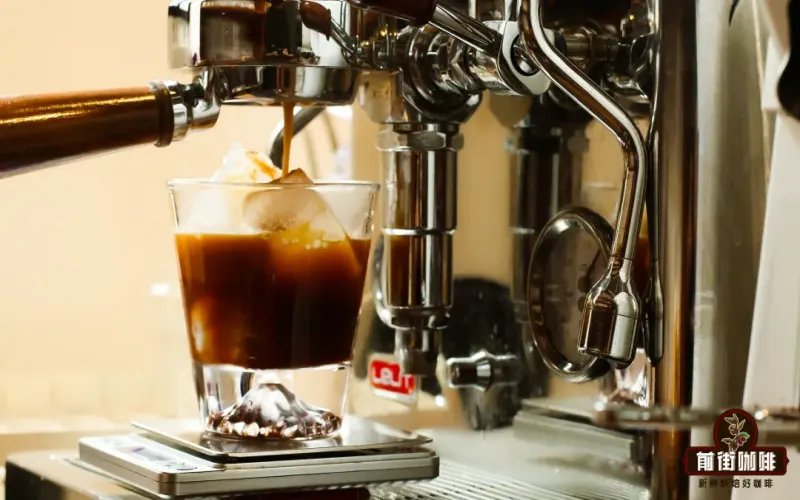
What should I do if my home coffee machine's grind isn't fine enough? Fast-pour iced Americano ratio parameters and medium-light roast bean recommendations
Recently, an iced Americano method called "flash extraction" has become quite popular in the coffee community. It bears some resemblance to the all-ice Americano, also using only ice cubes and espresso, but the amount of espresso poured in is much larger—almost equivalent to the total liquid volume of a regular hot Americano. Put simply, this method involves rapidly extracting a large amount of espresso all at once, essentially yielding a "long shot" espresso—a Lungo. The difference is that this shot does not come with an excessively high extraction rate, and contains fewer bitter compounds, so when made into an Americano, it has low bitterness and a pronounced sweetness. For those who don't have an espresso grinder, or whose grinder can't grind fine enough, this method is especially friendly—you just need to appropriately increase the water amount to compensate for the lack of extraction efficiency caused by coarser grinding and insufficient puck resistance. Below, Front Street Coffee will discuss the specific parameter ratios and recommend a few medium-light roast beans suitable for this method. [more…]
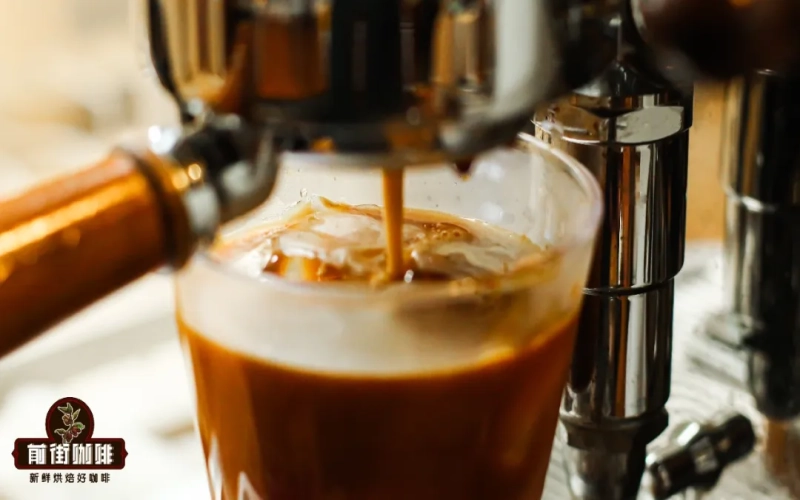
A Practical Guide to Dialing In Espresso: Key Techniques for Fixing Fast Flow and Weak Flavor
When making espresso at home, have you ever run into the problem of a fast flow and a weak, watery taste? Even if you follow a 1:2 coffee-to-water ratio, the result still lacks the rich, full-bodied mouthfeel of a coffee shop. The root cause is often an improper grind size, which leads to insufficient extraction efficiency. Starting from the underlying logic, this article will teach you how to quickly judge and adjust the grind size using just two core parameters—a 1:2 coffee-to-water ratio and a 30-second extraction time—so you can consistently extract a rich, intense espresso suitable for milk drinks. It will also discuss how roast level affects flavor and recommend high-sweetness, full-bodied espresso beans such as Front Street Coffee's signature blend, helping you easily master the art of dialing in your grinder. [more…]
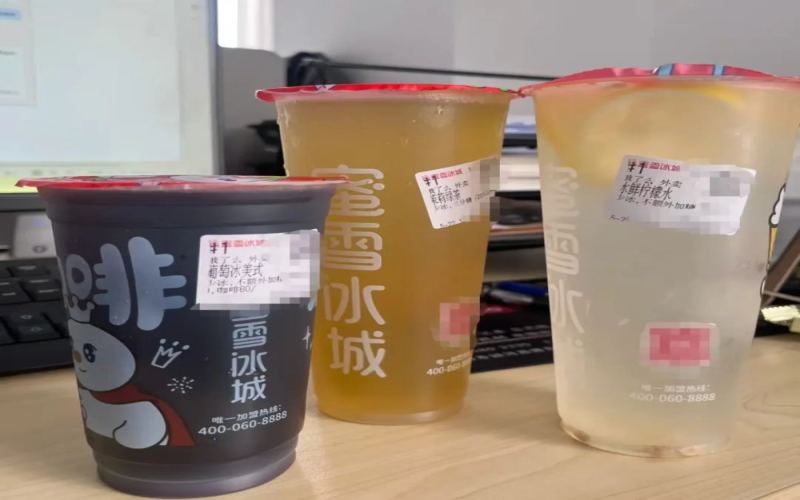
Three drinks a day to lose four jin? Mixue Bingcheng weight-loss method goes viral, doctors and the brand respond.
Recently, a so-called "Mixue Bingcheng weight-loss method" has become popular on social platforms. The routine involves drinking grape iced Americano, jasmine green tea, and iced fresh lemonade in sequence within one day, while trying not to eat anything else. Some followers claim they can lose three to four jin the next day. This method is essentially similar to a liquid fast, relying on water loss and a reduction in intestinal contents rather than actual fat loss. Many who tried it reported discomfort such as weak hands and feet, palpitations, headaches, and insomnia, and doctors also warn that using it rashly may trigger hypoglycemia, hair loss, and even abnormal liver and kidney function. Both Mixue Bingcheng stores and customer service said that these three drinks have no weight-loss effect. [more…]
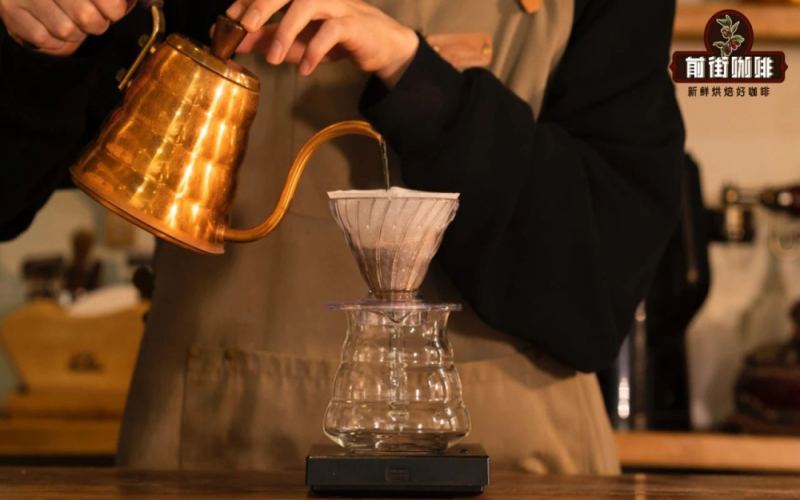
How Do Pour-Over Flow Rate and Spiral Speed Affect Flavor? A Guide to Brewing Fruity Coffee Beans
In the practice of pour-over coffee, flow rate and circling rhythm are two variables that are easily overlooked yet profoundly affect the final flavor. Front Street Coffee has previously conducted dedicated tests on these two factors separately. This time, we further cross-combined flow rate and circling speed, using two extreme methods—slow circling with a small stream and fast circling with a large stream—to conduct a comparative brewing of a fruity, rich Front Street Colombia Sidra. The experiment was carried out under completely identical conditions of dose, coffee-to-water ratio, grind size, and water temperature. Through concentration measurement and flavor description, it reveals the specific effects of different pouring strategies on extraction efficiency and taste direction. Whether you prefer a full-bodied, rich cup or a light, delicate one, this article will provide reusable adjustment ideas for your daily brewing. [more…]

A Complete Guide to Espresso Extraction Parameters: A Practical Guide to Dose, Ratio, Time, and Grind Size
To make a well-balanced espresso at home, relying on a fixed recipe alone is far from enough. Different coffee machines, different bean conditions, and even daily climate changes can all cause variations in the extraction result. This article systematically explains how to customize suitable espresso parameters for the blend beans you have on hand, from six dimensions: dose, brew ratio, extraction time, flow rate, pressure, and water temperature. At the same time, for the common problems of overly fast or overly slow flow, it provides troubleshooting adjustment ideas one by one, and introduces how to calculate the extraction yield through concentration testing to determine whether it falls within the golden cup range. The article recommends two espresso beans suitable for beginners to practice with—Front Street Classic Blend and Front Street Strawberry Candy Espresso—to help you find the ideal flavor faster through practice. [more…]
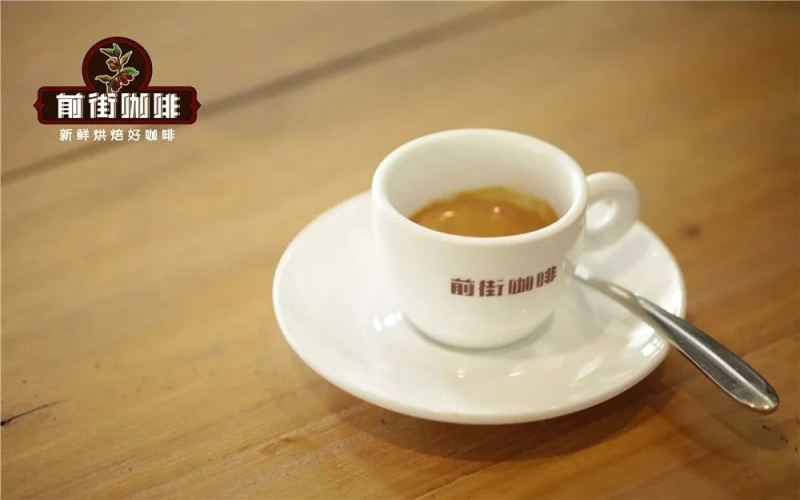
The Complete Guide to Espresso: Definition, Extraction Parameters, and Italian Coffee Brewing
Espresso is the soul base of common Italian-style coffees such as Americano, latte, and mocha, and its quality directly affects the standard of a café's output. This article will start from the definition of Espresso and systematically explain the four key conditions required to make espresso—high pressure, high temperature, rapid extraction, and fine grinding—and, combining the standard parameters of the Specialty Coffee Association SCA with actual café production experience, explain in detail the extraction parameter ranges and operational details such as dose, liquid yield, time, and ratio. At the same time, it introduces the flavor performance of Front Street Coffee's Sunflower Warm Sun Blend and three cost-effective espresso blends, helping coffee lovers fully understand the extraction logic and tasting points of Espresso. [more…]
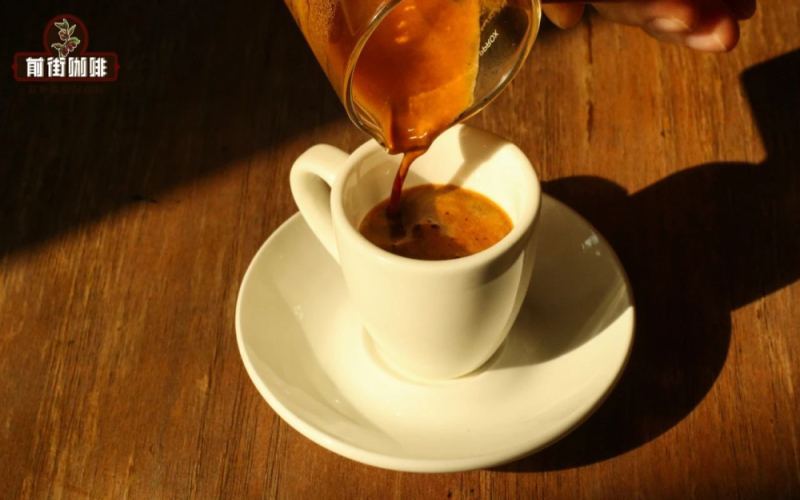
A Complete Guide to Espresso: Definition, Extraction Principles, and a Practical Guide to Front Street Coffee Machines
Espresso is the foundational core of the Italian coffee system and the soul of common drinks such as Americano, latte, and mocha. From the perspective of Front Street Coffee, this article systematically explains the definition and meaning of Espresso, outlines the four key conditions required to make a standard espresso—high pressure, high temperature, rapid extraction, and fine grinding—and, combining SCA standards with actual in-store production experience, provides a complete process from coffee bean freshness and extraction parameters to operational details. The article also introduces the flavor performance of Front Street Classic Italian Blend, Sunflower Warm Sun Blend, and three cost-effective Italian-style coffee beans, helping coffee lovers consistently make a high-quality Espresso with golden Crema both in-store and at home. [more…]
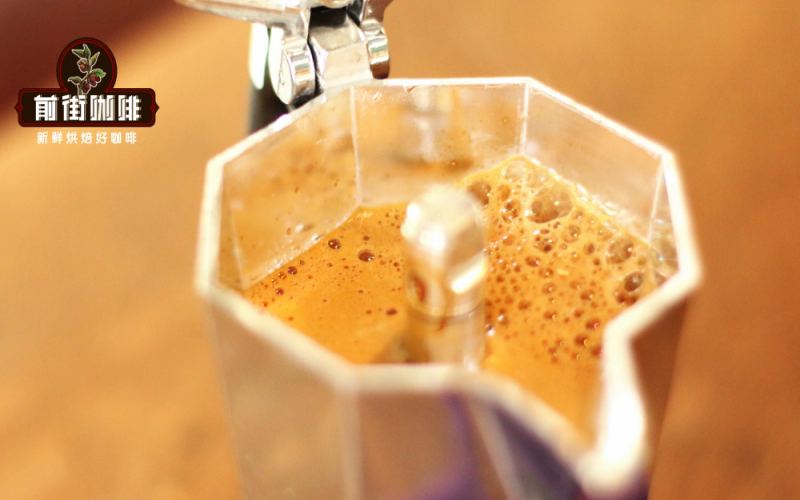
When exactly should you turn off the heat when brewing coffee with a moka pot? Fast flow and whether to tamp the grounds—all explained clearly in one go
The moka pot, Italy's national-level home coffee brewing device, can extract a rich, espresso-like coffee liquid. However, in practice, many enthusiasts are confused about when to turn off the heat, the flow rate of the coffee liquid, and whether tamping is necessary. This article will start with selecting coffee beans suitable for the moka pot, explain in detail how to determine the dose, control the water volume, and provide grinding size reference standards, and then walk through the moka pot coffee-making process step by step, helping you avoid risks such as explosions and splattering, and easily brew a cup of mellow, rich moka pot coffee. [more…]
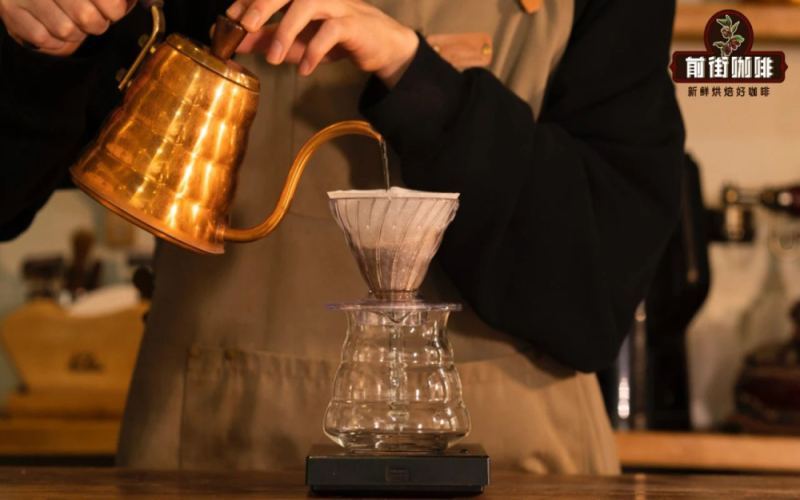
Ice Drip vs. Iced Pour-Over Coffee: A Flavor Comparison of Low-Temperature Slow Extraction and High-Temperature Fast Extraction
Ice drip coffee and iced pour-over coffee are often mentioned together, but the two differ significantly in extraction principles, flavor expression, and brewing process. Ice drip is a low-temperature slow extraction, while iced pour-over is a high-temperature fast extraction followed by cooling. Temperature greatly affects the breakdown rate of oils, acids, and sugars in coffee, thereby shaping distinctly different aromas, mouthfeels, and layers. From the perspective of Front Street Coffee, this article systematically sorts out the respective characteristics of high-temperature extraction and low-temperature extraction, and, using Honduras Sherry coffee beans as an example, records in detail the brewing parameters and flavor comparison of ice drip and iced pour-over, helping coffee enthusiasts more clearly understand the essential differences between the two kinds of iced coffee. [more…]
What does circular pouring actually affect in pour-over brewing? Extraction differences and practical tips from flow rate and circling speed
When brewing pour-over coffee, the size of the water stream and the speed of the circling often determine the direction of the final flavor. This article analyzes these two variables: how a small stream and a large stream respectively change the thickness of the coffee bed, the drainage speed, and the mouthfeel; and how the speed of circling affects the washing force and extraction efficiency. Using 15g of coffee, a 1:15 coffee-to-water ratio, and a water temperature of 91℃, it conducts a comparative brew of two combinations—"small stream with slow circling" and "large stream with fast circling"—recording the differences in concentration and flavor to help you understand the true role of circling in extraction and adjust your grind and technique accordingly. [more…]
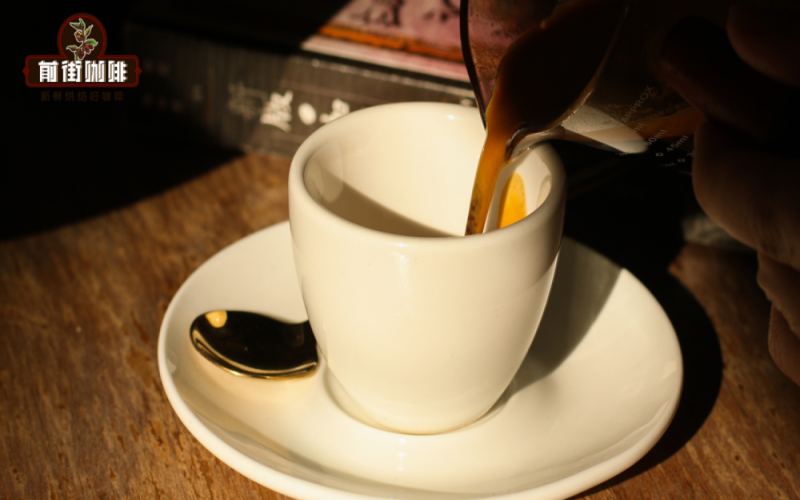
How to Extract Espresso? A Full Analysis of Dose-to-Yield Ratio, Grind Size, and Extraction Time
To make a decent espresso at home, you need to get three things straight: how much coffee you use, how much liquid you extract, and how fine you grind. The standard reference is a 1:2 coffee-to-liquid ratio—about 9 grams of coffee yielding 18 grams of liquid for a single shot, and 18 grams of coffee yielding 36 grams for a double, with the actual output fine-tuned to taste. As for grind size, watch the flow rate: if it runs fast, grind finer; if it runs slow, grind coarser, until the extraction time falls within the right range. The roast level of the beans also matters a lot—medium-dark roasts and darker make it easier to achieve a balanced flavor. Drawing on the real-world parameters of Front Street Coffee's classic blend, this article lays out the extraction logic clearly in one go. [more…]

How to Adjust Espresso Grind? A Practical Guide to Judging Grinder Fineness from Extraction Time
Got an espresso grinder and espresso machine, but always stuck at the espresso dialing-in step? Either it sprays everywhere or nothing comes out, either it's too sour or too bitter. The problem often lies in the grind size. Espresso is a pressurized fast extraction, releasing a large amount of aromatic compounds within twenty to thirty seconds, so any subtle change gets amplified. Relying on the grinder setting alone is far from enough—you also need to judge based on the extraction state. This article, drawing on Front Street Coffee's daily production experience, explains how to quickly find the right grind range for a bag of beans through extraction time, brew ratio, and flavor performance, and provides fine-tuning directions and practical advice. [more…]
A Complete Guide to Espresso Extraction: Practical Control Methods for Dose, Ratio, Time, and Grind Size
Want to make a balanced espresso at home but keep struggling with unstable flow rate and flavors that swing between sour and bitter? The truth is, there is no one-size-fits-all fixed parameter set for espresso extraction—coffee bean condition, grinder performance, machine pressure, and water temperature can all skew the results. This article approaches the topic from six dimensions—dose, brew ratio, extraction time, flow rate, pressure, and water temperature—and systematically explains how to customize a suitable extraction plan for the blend you have on hand, with specific references based on Front Street Coffee's classic blend and Strawberry Candy Espresso. It also includes methods for measuring espresso concentration and extraction yield to help you use golden cup data as a guide for adjustments, so you can ultimately find the cup you truly enjoy. [more…]
How Should the Espresso Brew Ratio Be Determined? A Complete Guide from Dose and Grind Size to Extraction Time
To make a decent espresso at home, the coffee-to-water ratio and grind size are two core variables you can't avoid. Standard espresso is usually based on 1:2, with a single shot using about 9 grams of coffee to extract 18 grams of liquid, and a double shot using 18 grams of coffee to 36 grams of liquid, but the actual output still needs fine-tuning based on how it tastes that day. The most intuitive way to judge whether the grind size is right is the extraction flow rate: if the liquid comes out too fast, the grind is too coarse and needs to be made finer; if the liquid comes out too slow, the grind is too fine and needs to be made coarser, until the extraction time falls within a reasonable range. Besides the parameters, the choice of beans is equally key—medium-dark roast blends or darker are more likely to achieve a balanced, stable flavor. This article will organize an actionable set of adjustment ideas around dose, ratio, grind size, and extraction time. [more…]
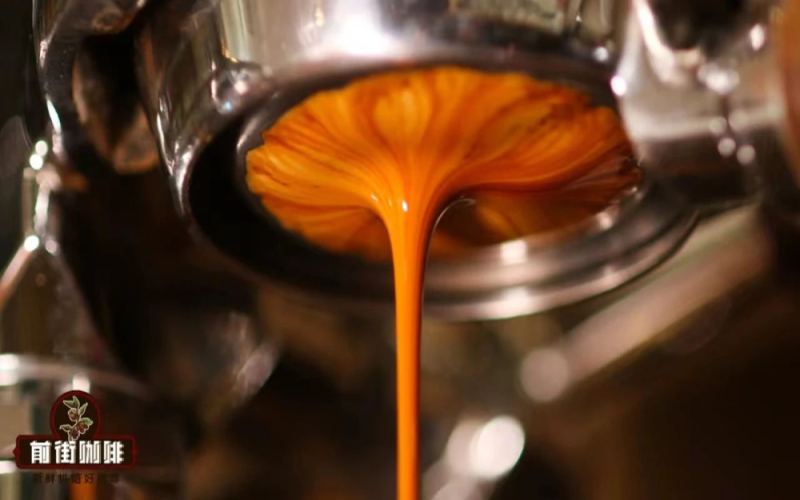
What is the difference between espresso and ristretto? A comprehensive analysis from extraction principles to flavor segmentation
On an espresso menu, espresso is an irreplaceable foundation; whether it's a latte or an Americano, everything is built upon it. Yet many people still hold the impression that it is simply "strong and bitter." What exactly is espresso? How does Ristretto differ from it? From the perspective of Front Street Coffee, this article first explains the definition and characteristics of espresso, then gradually breaks down the six key steps in the preparation process, and finally reveals the flavor differences between the beginning, middle, and end segments of espresso through a segmented extraction experiment, thereby explaining why Ristretto is less bitter and more concentrated, as well as the logic behind its application in milk coffee. [more…]
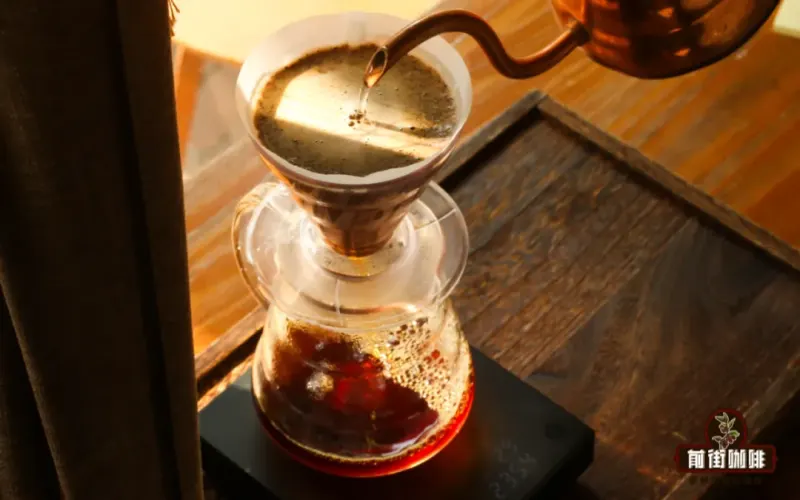
High-Speed Fine-Grind Large-Flow Brewing Method Explained: How to Boost Sweetness in Pour-Over Coffee and Recommendations for High-Value Arabica Beans
Many people prefer sweetness, and this has given rise to various pour-over brewing methods aimed at sweetness. One of these is the "high-fast-fine-large" method that Front Street Coffee is sharing today. Through a combination of four extreme parameters—high water temperature, fast extraction, fine grind, and large water flow—brewing is completed in a short time, thereby reducing the extraction of bitterness and highlighting the coffee's sweet aroma and sweet-tart balance. This method is especially suitable for medium-light or light-roasted Arabica beans, such as the cost-effective Front Street Coffee Huakui and Front Street Coffee Strawberry Candy. This article will break down the principles and operation of this approach in detail, and include the specific brewing parameters and flavor performance of Front Street Coffee Huakui to help you more easily brew pour-over coffee with a pronounced sweetness. [more…]
How to Make Coffee Ice Cubes? Three Pre-Made Methods and Usage Guide for Lazy Iced Coffee
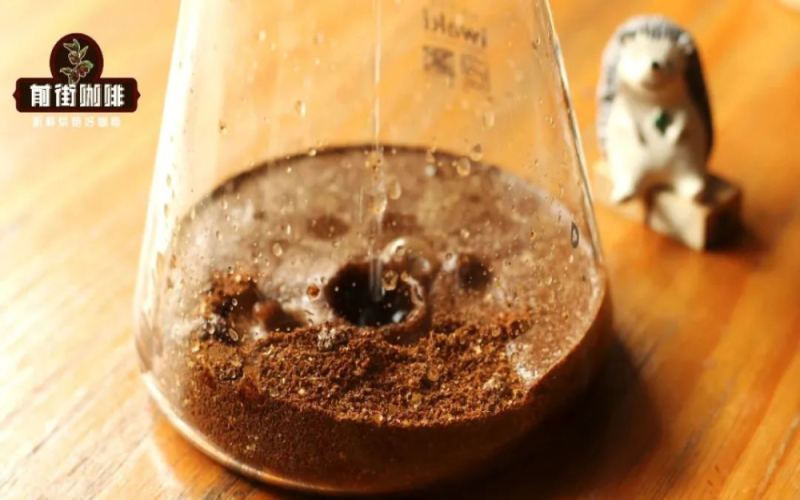
As summer temperatures climb, iced coffee becomes a daily necessity, but cold brew filtering is time-consuming and low-temperature extraction is picky about beans—not everyone is willing to wait. Front Street shares a pre-made solution that gets you out the door in one minute—freeze coffee liquid into cubes ahead of time, then dilute with water or milk when drinking, easily recreating iced Americano, iced latte, and iced pour-over. Although overnight freezing loses oils and some aroma, its advantage lies in being simple, convenient, and fast. Below are the extraction parameters, dilution ratios, and step-by-step instructions for three types of ice cubes, along with a Big Belly脐 pour-over demonstration, for time-pressed coffee lovers to reference. [more…]
Common Home Brewing Methods: A Complete Equipment Guide from Espresso to Cold Drip
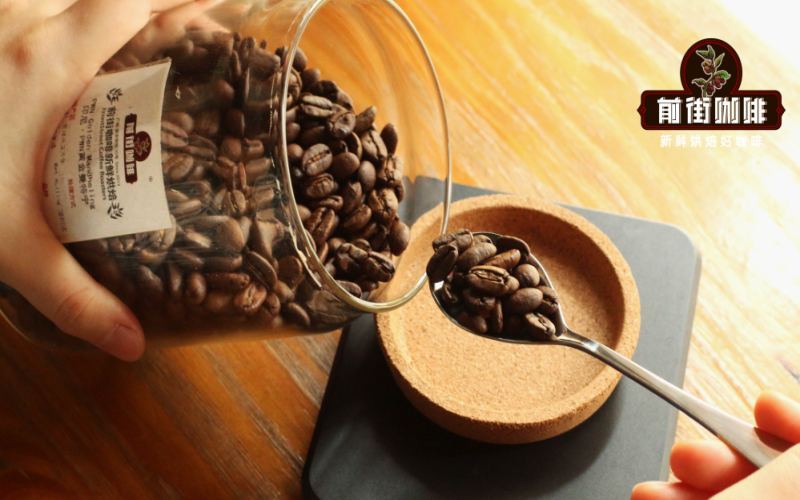
Making a good cup of coffee at home actually isn't that difficult. Front Street Coffee has recently welcomed many new customers who are no longer satisfied with just drinking coffee—they want to understand different extraction methods as well. This article systematically sorts through several of the most commonly used home brewing methods, including espresso, pour-over single-origin, drip bags, siphon, moka pot, cold drip, AeroPress, as well as a comparison of the French press and the Clever Cup, along with equipment lists, key operating points, and flavor characteristics, to help coffee lovers choose the method that suits their needs. [more…]
Analyzing the Differences in Pour-Over Coffee Flow Rate: Understanding Extraction Rhythm Through Roast Level, Processing Method, and Growing Altitude
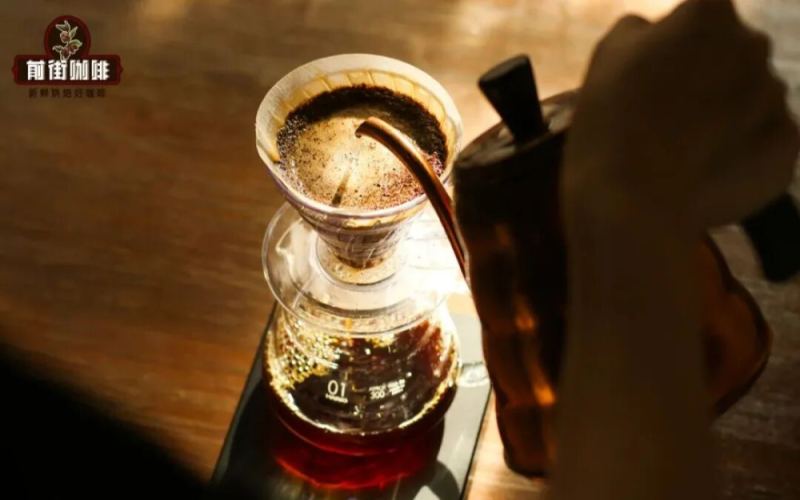
Using the same set of pour-over parameters, why do some beans finish dripping in under two minutes, while others seem to pool water from start to finish? Many people new to pour-over encounter this confusion at Front Street stores. In fact, the flow rate behavior of coffee beans is not random—it is closely related to roast level, processing method, and growing altitude. Drawing on Front Street's extraction experience, this article first breaks down the three major influencing factors, then offers specific grinding and technique adjustment suggestions for anaerobic beans, dark-roasted beans, and high-altitude light-roasted beans, helping you find the right extraction rhythm for different beans. [more…]